Kawhi Leonard's name still stokes excitement and debate throughout the NBA landscape. Yet one question looms large as we look toward the 2026-27 season: Is Kawhi Leonard worth a $50.3 million salary? This figure, referenced in multiple ESPN reports and acknowledged by league authorities, represents the guaranteed amount owed to Leonard in that season under his current contract with the Clippers. The debate over this figure is far from academic — it touches on superstar value, roster construction, and how franchises evaluate availability alongside raw talent.
The Context: Kawhi Leonard’s $50.3 Million 2026-27 Salary
According to the recent ESPN report — confirmed in part by an official NBA response addressing contract transparency — Kawhi Leonard is owed $50.3 million in 2026-27. This is the final season of a max-style contract extension inked in the middle of the 2020s.
This number is not hypothetical:
- It’s guaranteed and fully guaranteed salary. It counts directly against the Clippers’ salary cap and luxury tax thresholds. It influences roster flexibility, trade negotiations, and the franchise’s strategic planning for years to come.
With this background, it’s critical to evaluate this salary under several frames, from basketball performance and availability to organizational control and trade consequences.
Superstar Power vs Organizational Control
The allure of signing Kawhi Leonard to a max contract is obvious: he’s an elite two-way talent who can impact winning at the highest levels. The “superstar power” argument for his value hinges on his:
- Elite defensive ability and past Defensive Player of the Year accolades. Ability to take over games in crucial moments — the 2014 and 2019 NBA Finals prove that. Nickname recognition and marketability, which ideally should boost revenue streams beyond just basketball wins.
But superstar power only goes so far if the franchise doesn’t maintain effective control over the asset. Since Leonard’s arrival in LA, it’s been clear he maintains considerable leverage over his playing status and location preferences. This weakens the Clippers’ ability to build around him or leverage his contract for optimum roster construction.
ESPN and the NBA's official communications have underscored this tension: the ownership of the cap hit by the Clippers contrasts with the uncertainties about Leonard’s long-term availability or willingness to stay. His history of load management, injury spells, and team tension show hard organizational control is limited.
Availability as Part of the Value Equation
Conventional stats and highlights don’t tell the entire story. One of the most important yet overlooked factors for evaluating any max contract's worth is availability.
Leonard’s recurring injury issues and strategic rest protocols have led to him missing significant portions of regular seasons, including key postseason moments. While all star players have injury risks, Leonard's pattern has been a consistent headache for the Clippers:
Frequent load management decisions resulting in missed games. Extended injury absences affecting momentum and chemistry. Availability concerns that ripple into trade valuation and roster stability.This limited availability effectively diminishes the “value per dollar” for the Clippers. A $50.3 million salary in 2026-27 that pays for a player averaging 50-60% of games is a steep cost when measured against all-in roster flexibility and floor-level production.
Salary and Roster Flexibility Challenges
Having Leonard’s $50.3 million count against the Clippers’ salary cap in 2026-27 directly constrains the team’s ability to complement him with quality role players. This max contract exerts a “soft hold” on multiple roster decisions:
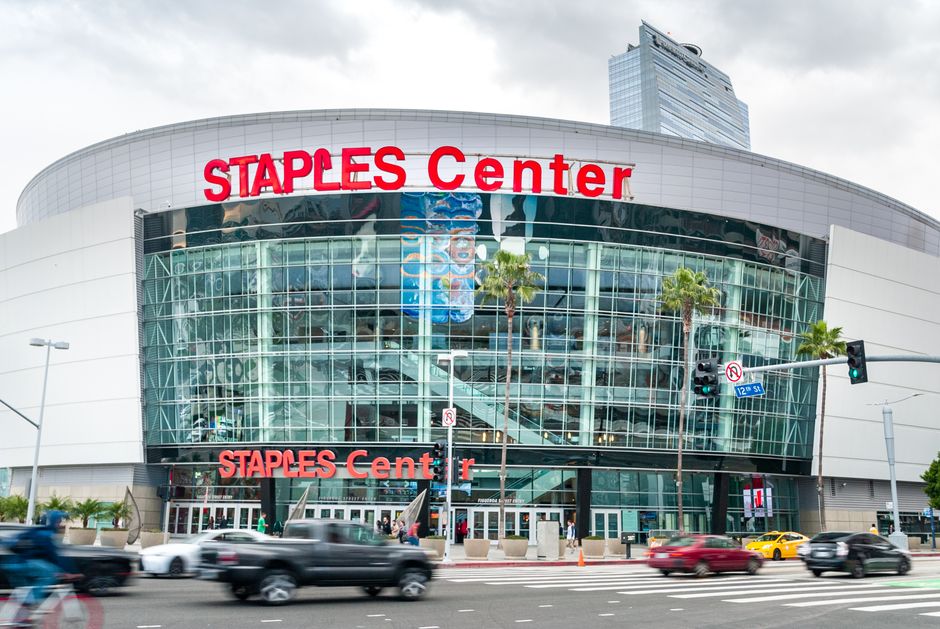
- Cap room compression: With $50.3 million tied up, the Clippers have fewer dollars remaining for mid-level exceptions, veteran minimum deals, or ambitious free agent pursuits. Trade limitations: Leonard’s large contract can dissuade potential trade partners due to luxury tax implications or perceived risk from his injury history. Luxury tax burdens: Especially in seasons where the Clippers chase a championship window, this financial load can surpass sustainable thresholds.
The BookmakersReview.com page on offshore sports betting sites illustrates fan interest and betting markets around the Clippers, reflecting how public expectations sometimes run ahead of roster realities driven by contracts like Leonard’s.
Trade Cost and Draft-Capital Regret
Evaluating Leonard’s worth isn’t complete without looking back at the cost the Clippers paid to acquire and keep him — particularly the draft capital surrendered and the opportunity cost of luxury tax payments.

Trade Cost
The Clippers gave up a significant package of first-round picks and promising young players to obtain Leonard. In retrospect, this has proved a mixed bag:
- While Leonard’s Finals MVP pedigree is undeniable, the assets traded away have made the rebuilding and flexibility for the Clippers more difficult during Leonard’s absence stretches. The inability to easily flip Leonard’s contract due to salary size and availability creates a “walking dead” asset risk for the Clips.
Draft-Capital Regret
Multiple draft picks and young talent—or the ability to pair Leonard with another star via those picks—were collateral damage. This impacts long-term roster building and raises the question: was the $50.3 million salary in 2026-27 a reasonable price for a player whose contract limits future roster investments?
Summary Table: Evaluating Kawhi Leonard’s Max Contract Value
Evaluation Factor Assessment Impact on $50.3m Value Raw Talent & Superstar Impact Elite two-way player; Finals MVP caliber Positive — high base value Organizational Control Moderate to low; player has leverage on health & location Negative — risk and uncertainty Availability/Injury History Frequently limited due to injuries/load management Negative — reduces real on-court value Impact on Salary Cap & Flexibility Large cap hit; compresses roster-building options Negative — restricts complementary talent acquisition Trade & Draft Capital Cost High capital cost; difficult to move contract Negative — long-term opportunity costConclusion: Is Kawhi Leonard’s $50.3 Million 2026-27 Salary Worth It?
In a vacuum, Kawhi Leonard’s talent and past performances justify a superstar-level salary. However, when factoring in his unpredictable availability, the Clippers’ limited control over his health and presence, the massive impact on salary cap and roster flexibility, plus the lingering regret over traded draft capital, caution bells ring loud.
The Clippers max contract's value kawhi leonard on off numbers — particularly $50.3 million owed in 2026-27 — is a https://varimail.com/articles/kawhis-ego-without-social-media-how-does-that-even-work/ double-edged sword. It buys proven excellence and potential playoff magic but carries steep risks and costs few franchises can perfectly absorb.
Ultimately, from a prudent team-building standpoint, Kawhi Leonard’s max contract at that price is a bet with diminishing returns for the Clippers. For loyal fans and NBA writers alike, it's one of the league’s most fascinating and frustrating case studies on superstar value versus organizational control.
For bettors and analysts following the future Clippers seasons and leveraging insights on offshore betting markets, keeping Leonard’s availability and contract implications top of mind will be critical for accurate forecasting.